2026


Objectives

Advancing the Blue Economy through Intelligence (AI & Tech)

Fostering Global Youth & Academic Leadership

Strategic International Collaboration

Provide a global platform for youth, academicians & researchers

Encourage innovation, policy dialogue & action-based solutions

Foster collaboration between academia, industry & policymakers

Impactful Networking & Funding Synergies

Promote awareness on Blue Economy & Climate Sustainability

Promoting SDG 13 & 14 Alignment

Advancing the Blue Economy through Intelligence (AI & Tech)
Exchange & Policy Advocacy
Advancing the Blue Economy through Intelligence (AI & Tech)
Fostering Global Youth & Academic Leadership
Strategic International Collaboration
Provide a global platform for youth, academicians & researchers
Encourage innovation, policy dialogue & action-based solutions
Foster collaboration between academia, industry & policymakers
Impactful Networking & Funding Synergies
Promote awareness on Blue Economy & Climate Sustainability
Promoting SDG 13 & 14 Alignment
Advancing the Blue Economy through Intelligence (AI & Tech)
Exchange & Policy Advocacy
Decarbonization & Circular Economy

Green Shipping & Ports
Transitioning global maritime trade to clean fuels like green hydrogen and ammonia.

Decarbonizing Fisheries
Implementing low-emission practices in aquaculture and traditional fishing to protect marine biodiversity.

Circular Marine Economy
Focus on marine pollution management and plastic reduction strategies to restore ocean health.
Offshore Renewable Energy Expansion

Marine Power
Advancing technologies in wave, tidal, and ocean thermal energy conversion.

Offshore Wind Infrastructure
Expanding wind farms into deeper waters to increase the global share of renewables.

Sustainable Extraction
Exploring deep-sea mining and minerals with a focus on environmental safety and ethical governance.
AI, Data & Ocean Intelligence

AI-Enabled Ocean Intelligence
Using AI tools and machine learning for ocean data forecasting and climate risk assessment.

Digital Twins
Creating digital replicas of marine ecosystems to simulate climate impacts and test adaptation strategies.

Remote Sensing
Leveraging satellite data for real-time monitoring of blue carbon stored in coastal ecosystems like mangroves.
Resilience & Just Transition

Nature-Based Solutions (NbS)
Restoring mangroves, seagrasses, and coral reefs as natural barriers against rising sea levels and storm surges.

Climate Justice & Inclusion
Prioritizing the needs of Small Island Developing States (SIDS) and local fishing communities through international funding and technology transfer.

Marine Biotechnology
Harnessing ocean biological resources for sustainable medicines and materials.
Green Shipping & Ports
Transitioning global maritime trade to clean fuels like green hydrogen and ammonia.
Decarbonizing Fisheries
Implementing low-emission practices in aquaculture and traditional fishing to protect marine biodiversity.
Circular Marine Economy
Focus on marine pollution management and plastic reduction strategies to restore ocean health.
Marine Power
Advancing technologies in wave, tidal, and ocean thermal energy conversion.
Offshore Wind Infrastructure
Expanding wind farms into deeper waters to increase the global share of renewables.
Sustainable Extraction
Exploring deep-sea mining and minerals with a focus on environmental safety and ethical governance.
AI-Enabled Ocean Intelligence
Using AI tools and machine learning for ocean data forecasting and climate risk assessment.
Digital Twins
Creating digital replicas of marine ecosystems to simulate climate impacts and test adaptation strategies.
Remote Sensing
Leveraging satellite data for real-time monitoring of blue carbon stored in coastal ecosystems like mangroves.
Nature-Based Solutions (NbS)
Restoring mangroves, seagrasses, and coral reefs as natural barriers against rising sea levels and storm surges.
Climate Justice & Inclusion
Prioritizing the needs of Small Island Developing States (SIDS) and local fishing communities through international funding and technology transfer.
Marine Biotechnology
Harnessing ocean biological resources for sustainable medicines and materials.

Startups
Blue Economy / Sustainability
NGOs & Environmental Organizations
Nonprofits driving impact
Edu & EdTech & Research Institutions
Universities and labs

Government Bodies
Optional participants

CSR Wings of Companies
Corporate social responsibility divisions driving sustainability mandates.
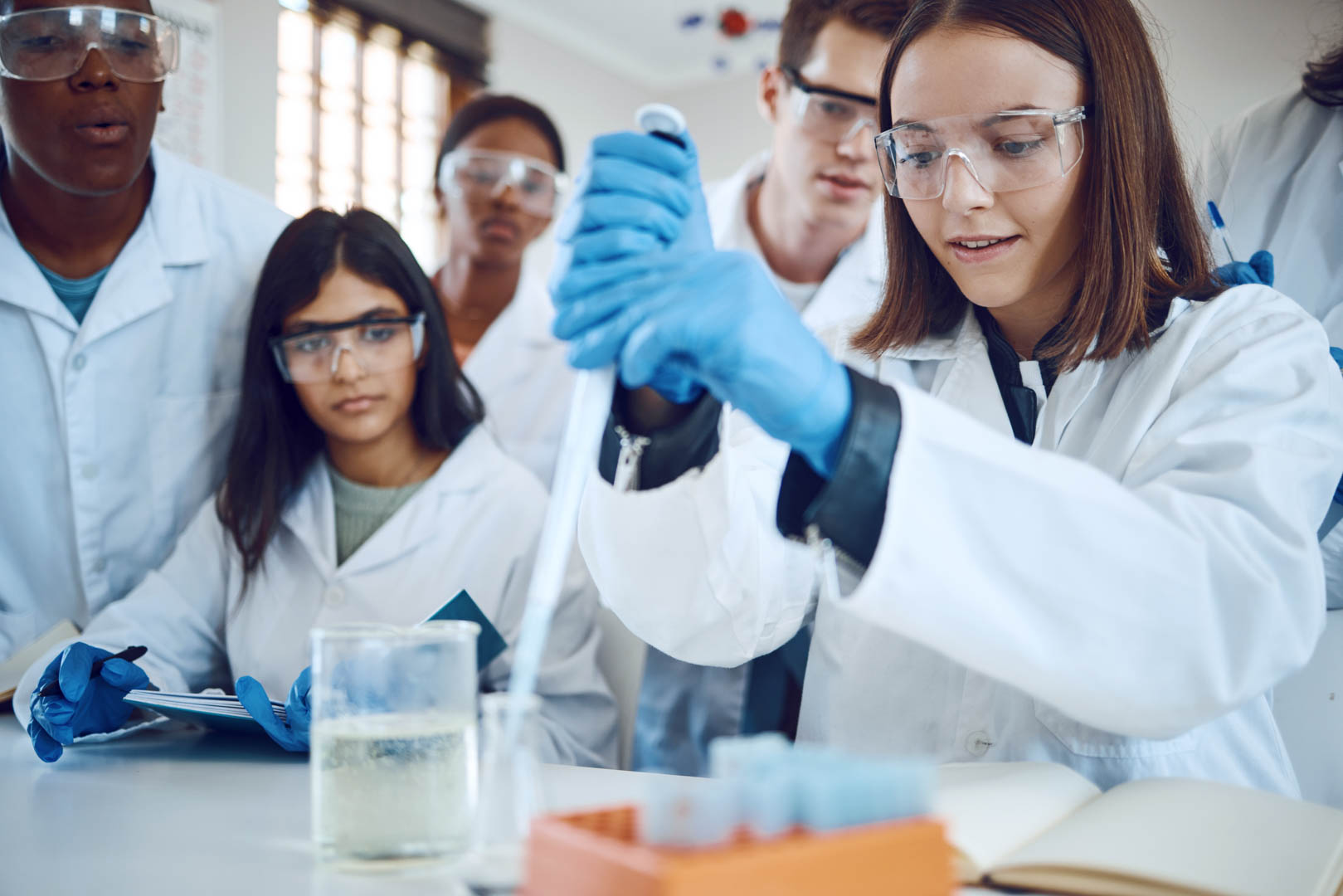
Students
18 – 25 yrs UG / PG / Young Innovators
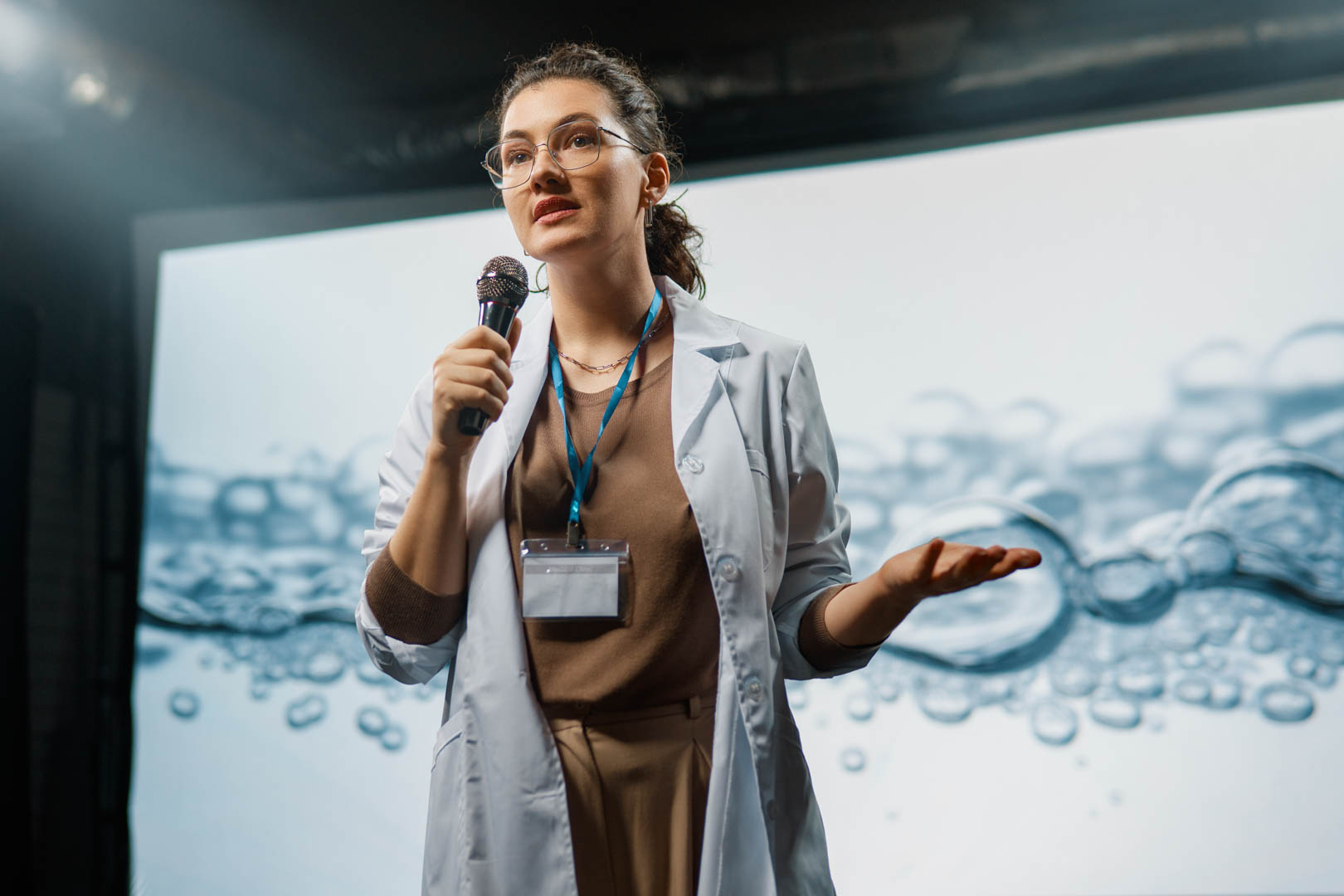
Researchers
Researchers (Scholars, Scientists & Academicians)

Students (18–25 years)
FOCUS: INNOVATION & OUTREACH Highlights emphasize creativity, prototyping, and community engagement.

Education — "Gamified Marine Literacy."
Use AR/VR to bring the ocean to landlocked classrooms. Focus on interactive storytelling that builds "Blue Empathy."

Energy — "DIY Marine Renewables."
Prototype small-scale energy harvesters (e.g., piezoelectric wave mats) designed for low-cost, off-grid coastal lighting.

Industry — "Eco-Infrastructure."
3D-printing modular "living seawalls" that protect coastlines while providing habitats for local crustaceans.
Climate — "Personal Blue Footprint."
Apps that track how daily consumption (like fast fashion or diet) directly impacts ocean warming and acidification.
Life Below Water — "Citizen Science Tools."
Developing affordable underwater camera kits for local communities to document coral bleaching in real-time.

Partnerships — "Youth Advocacy Networks."
Creating digital platforms that connect students in different coastal cities to exchange "Blue Economy" solutions.
Researchers
FOCUS: DATA & SCALABILITY Highlights emphasize advanced tech, peer-reviewed methodology, and policy impact.
Education — "Skill-Gap Analytics."
Quantitative research on the transition from traditional maritime labor to high-tech "Blue Intelligence" roles to inform national policy.
Energy — "Efficiency Optimization."
Using AI to solve the mechanical fatigue challenges of Wave Energy Converters (WECs) to make them commercially viable.
Industry — "Biomimetic Logistics."
Applying swarm intelligence algorithms (inspired by fish schools) to optimize global shipping routes for fuel reduction.
Climate — "Deep-Sea Carbon Mapping."
High-resolution modeling of "Blue Carbon" stores in the deep-sea floor and the climate risks of disturbing them.
Life Below Water — "Genomic Resilience."
Identifying heat-resistant coral genes using CRISPR or advanced sequencing to guide targeted reef restoration efforts.
Partnerships — "Circular Economy Finance."
Developing "Blue Bond" valuation models to help governments attract private investment for ocean-based climate mitigation.
Category 1:
Students
Category 2: Researchers

BICS Innovator
Award for the 1st prize winner.

Internship & Placements
All 3 winners of Category 1 will receive internship and placement opportunities, as per availability.

UN Recognition
A certificate of commendation co-signed by the UN Resident Coordinator, for all the students and researchers' Participation Certificate.

Merit Certificate
Winners of all Category 1 will receive a "Global Climate Champion", co-signed by the UN Resident Coordinator.
Global Leadership & Sustainability Certificate
All registered delegates will receive a Global Leadership & Sustainability Certificate co-signed by our U.N Delegations and other Marine organization heads

Students

Researchers
Global Networking Platform
Youth-Led Solutions

Policy Recommendations